.png?width=130&height=53&name=Vector%20(21).png "TermScout Logo")

Anyone who's spent hours staring at dense contract language knows the feeling. Eyes blur, concentration wavers, and somewhere around page 47, that nagging thought creeps in: isn't there a better way to do this? The legal profession has long relied on manual review processes that demand intense focus and countless billable hours.
Contract review automation software has emerged as a practical solution that addresses the bottlenecks plaguing legal departments, procurement teams, and sales organizations. This technology doesn't just speed things up—it fundamentally changes how businesses approach contract intelligence and quality verification.
What's Really Wrong with Manual Reviews
Traditional contract review operates on a simple premise: smart people read documents carefully and catch problems before they become expensive mistakes. In theory, this works. In practice? Organizations face mounting challenges that manual processes simply can't overcome.
Reviewing a single contract manually consumes between 5 and 10 hours of professional time. For companies managing dozens or hundreds of agreements simultaneously, this timeline becomes unsustainable. Deals stall, opportunities slip away, and teams find themselves perpetually behind schedule.
The Hidden Costs Nobody Talks About
Human error compounds these timing issues. Roughly 60% of contract mistakes stem from simple oversights—missed deadlines, misread clauses, or overlooked obligations that seemed insignificant at first glance. These aren't failures of competence but rather inevitable consequences of asking people to maintain perfect accuracy across thousands of pages of legal text.
Most legal professionals struggle with effective collaboration when multiple departments need input on contract terms. Version control breaks down, different teams work from different drafts, and critical feedback gets lost in email threads. What should be a straightforward approval process turns into a coordination nightmare.
Compliance tracking presents its own set of headaches. Many companies can't reliably monitor changing regulations across different jurisdictions. When laws shift, and contract language needs updating, organizations don't discover the gap until an audit surfaces the problem—or worse, until regulatory penalties arrive.
How the Technology Actually Functions
Strip away the marketing hype, and automated contract review software operates on fairly straightforward principles. These platforms use artificial intelligence—specifically, machine learning and natural language processing—to read contracts the way humans do, only faster and more consistently.
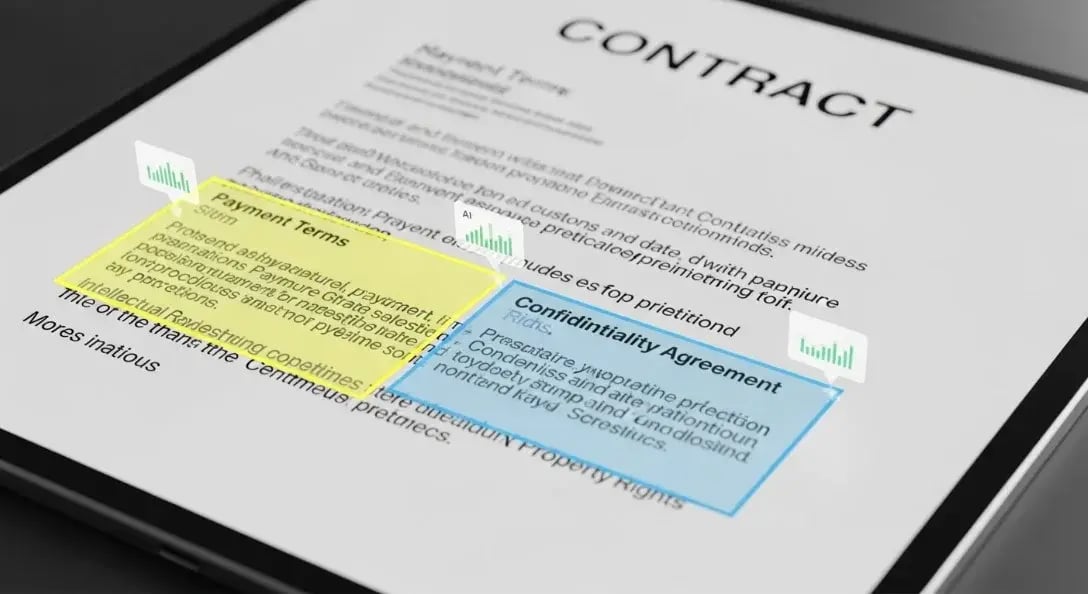
The technology identifies clauses, extracts key obligations, and flags terms that deviate from established standards or pose compliance risks. Modern automated contract review platforms connect with existing business systems like CRM and ERP software, pulling in contract data and making it searchable in centralized repositories.
Why This Generation of Tools Is Different
What separates contemporary AI-driven tools from older software is the learning component. These systems analyze patterns across contract portfolios, identifying which clauses lead to successful deals and which trigger lengthy negotiations. Over time, the platforms develop contract intelligence that helps organizations understand not just what their contracts say, but how they compare to industry benchmarks and best practices.
This contract scoring capability lets legal and procurement teams quickly evaluate whether proposed terms fall within acceptable parameters or represent potential deal breakers. Sales teams gain similar advantages, accessing contract data that reveals which terms accelerate revenue and which slow down closing timelines.

The Real-World Benefits That Matter
Automated contract review can reduce review time by up to 80%. What took a full business day now takes an hour or less. Companies using AI-powered contract review tools cut their contract cycles by half, directly impacting how quickly businesses can respond to opportunities and meet deadlines.
Speed improvements deliver multiple advantages:
- Faster response times during negotiations
- Reduced bottlenecks in approval workflows
- Quicker identification of problematic clauses
- More contracts processed with the same team size
But speed without accuracy creates new problems instead of solving old ones. That's where contract verification becomes crucial. Organizations using AI-driven contract management tools see significant reductions in errors compared to manual processes. The software catches inconsistencies that human reviewers miss after hours of reading similar documents.
Staying Compliant Gets Easier
Regulations like GDPR and HIPAA create complex compliance landscapes that shift faster than most organizations can track. An automated contract review platform continuously monitors contracts against current requirements, flagging clauses that need updating when regulations change.
Companies using automation for compliance-related tasks reduce their overall risk exposure substantially. This isn't just about avoiding fines—it's about preventing the contract disputes and legal complications that drain resources and damage business relationships.
Where These Tools Make the Biggest Impact
Different industries leverage contract review automation software in ways that address their specific pain points. The technology adapts to various use cases while delivering consistent benefits across sectors.
Legal Teams: Handling Due Diligence Faster
Law firms and corporate legal departments face particularly intense pressure during mergers and acquisitions. Due diligence requires reviewing thousands of contracts to identify liabilities, compliance gaps, and hidden risks. Automated contract review software transforms this process from a months-long marathon into a manageable sprint.
Lawyers using these tools can focus their expertise where it matters most—strategy, negotiation, and risk assessment—while automation handles the initial contract evaluation and quality checks.
Financial Services: Meeting Strict Requirements
Banks, investment firms, and other financial institutions operate under some of the strictest regulatory frameworks in any industry. Credit agreements and investment contracts must align with multiple regulations that vary by jurisdiction.
Contract review automation software ensures these documents meet all relevant requirements by automatically checking data protection clauses, privacy terms, and other regulated elements. Real-time alerts notify finance teams when regulatory changes affect existing contract language, enabling proactive updates rather than reactive scrambling.
Tech Companies: Protecting What Matters Most
Tech companies juggle complex supplier agreements and licensing arrangements where intellectual property rights require careful protection. Automated contract review platforms help standardize vendor contracts while ensuring IP ownership clauses align with company policies.
Key benefits for technology companies include:
- Consistent protection of intellectual property across all agreements
- Standardized vendor contract terms
- Quick analysis of service level agreements
- Reduced risk of disputes over IP ownership
This standardization creates contract quality improvements across vendor relationships, reducing the likelihood of disputes and making it easier to manage large portfolios of supplier agreements.
Getting Started Without the Headaches
Choosing the right contract review automation software requires looking beyond feature lists to understand how the platform will function within existing workflows. Organizations should evaluate solutions based on specific capabilities like clause recognition, risk assessment tools, and contract comparison features that highlight changes between versions.
Scalability matters more than many buyers initially realize. A platform that works well for 100 contracts per month might struggle when volume doubles or triples.
Making the Platform Work for Your Team
Even the most sophisticated automated contract review platform delivers limited value if teams don't understand how to use it effectively. Comprehensive training should cover basic features for everyday users and advanced capabilities for power users who need to customize workflows or run complex analyses.
Successful implementation requires:
- Hands-on training with real contract examples
- Clear documentation of workflows and processes
- Ongoing support during the adjustment period
- Regular check-ins to address emerging questions
Integration with existing tools determines whether automation streamlines work or creates new friction points. The software should connect seamlessly with document management systems, customer relationship management platforms, and enterprise resource planning tools that teams already use daily.
Understanding the True Value Proposition
Initial implementation costs deserve careful consideration, but focusing exclusively on upfront expenses misses the broader picture. The actual value of contract review automation emerges over time through accumulated efficiencies, risk reduction, and improved contract performance.
Time savings compound quickly. When legal departments spend significantly less time on routine reviews, they can redirect those hours toward strategic initiatives that drive business growth. Risk reduction prevents the expensive mistakes that manual processes sometimes miss—compliance violations, unfavorable terms, or overlooked obligations that create future liabilities.
What's Coming Next in Contract Intelligence
AI continues advancing in ways that expand what's possible with contract automation. Predictive analytics represents the next frontier—using historical contract data to forecast likely outcomes during negotiations or litigation. Most legal professionals are either already using AI or planning to integrate it into their workflows.
This surge in adoption reflects growing recognition that contract intelligence isn't a luxury but a competitive necessity. Companies that can analyze their contract portfolios for patterns and insights gain advantages in negotiations and risk management.
Managing Contracts Across Borders
As businesses expand across borders, contracts span multiple languages and legal systems. AI-powered translation and analysis tools are becoming essential for managing international contract portfolios. The market for AI-powered contract management systems with multilingual features continues growing at an impressive rate.
These capabilities aren't just about translation—they enable consistent contract quality and standardization across regions while respecting local legal requirements and business customs. Organizations can maintain contract benchmarking standards globally while adapting to regional variations.
Why Delaying No Longer Makes Sense
Organizations considering automated contract review often get stuck in analysis paralysis, waiting for the perfect moment or the ideal solution. But contract volumes don't pause while companies deliberate, and competitors aren't waiting either.
Manual review had its era. The professionals who pioneered contract law and built legal departments around careful document analysis created valuable frameworks that still inform best practices today. But insisting on purely manual processes resembles insisting on paper ledgers in an age of spreadsheet software.
Organizations typically see immediate improvements:
- Faster contract cycle times within the first month
- Measurable error reduction across all contract types
- Better compliance tracking from day one
- Enhanced visibility into contract portfolios
The technology has matured past early-adopter risk. Proven platforms exist with established track records across industries. The learning curve, while real, doesn't require specialized technical knowledge. Teams adapt quickly when training aligns with their actual workflows and addresses their specific contract challenges.
Perhaps most compelling: the cost of maintaining manual processes keeps rising while automation costs decline. Every hour spent on routine contract review represents an hour unavailable for strategic work. Every error that slips through creates costs that compound over time.
Share this

Why Are Contracts So Hard to Read and How to Simplify Them with Data
.jpg)
Contract Revenue Recognition Powered by TermScout Intelligence
%20(13)-1.jpg)